Sariska National Park

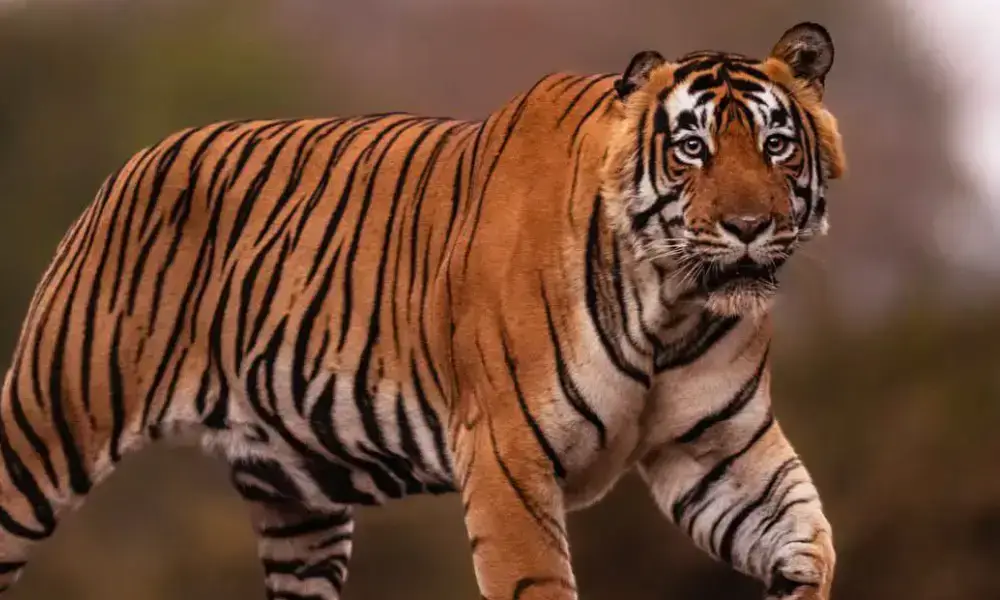
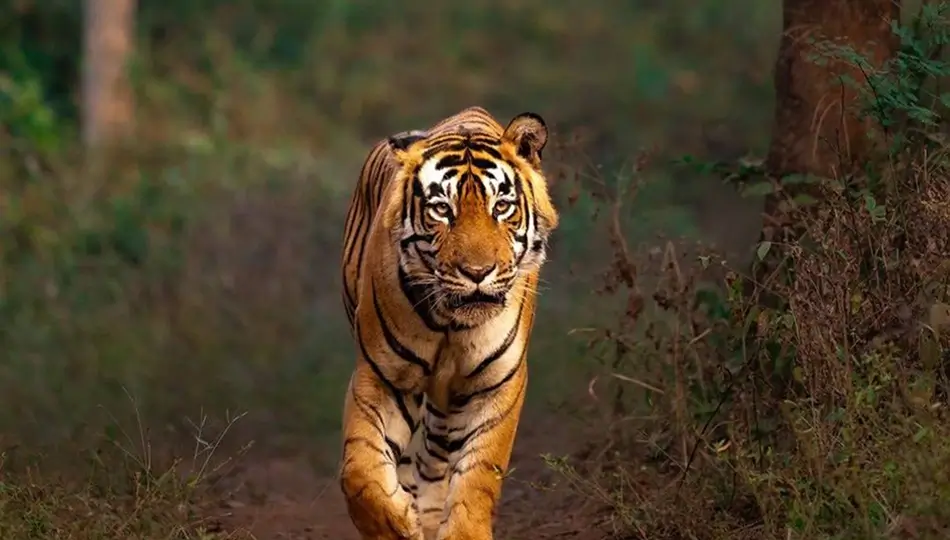
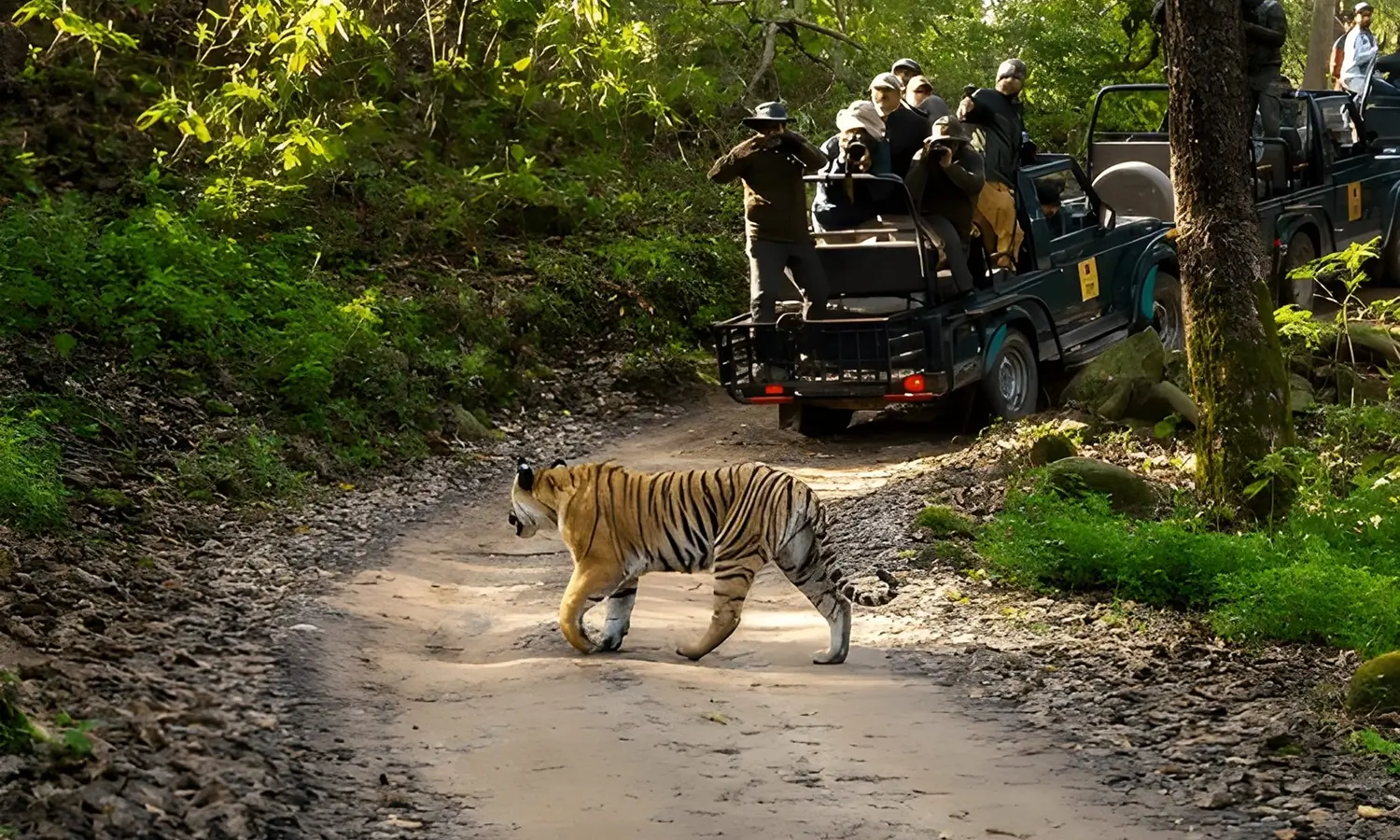
The lesser-known neighbor of Ranthambore, Sariska National Park is one of Rajasthan's most underrated wildlife destinations. But calling it "underrated" misses the magic. Imagine this: the pre-dawn chill of the Aravalli hills, the rumble of a jeep on a dusty track, and the sudden, electric silence when a sambar deer barks an alarm call. This is the raw, untamed heart of Sariska Tiger Reserve.

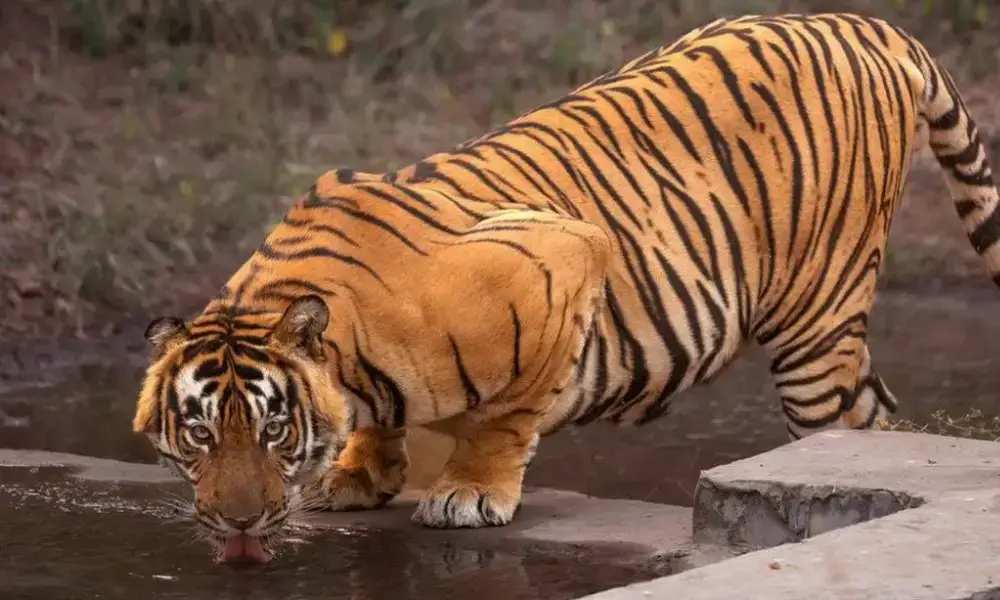
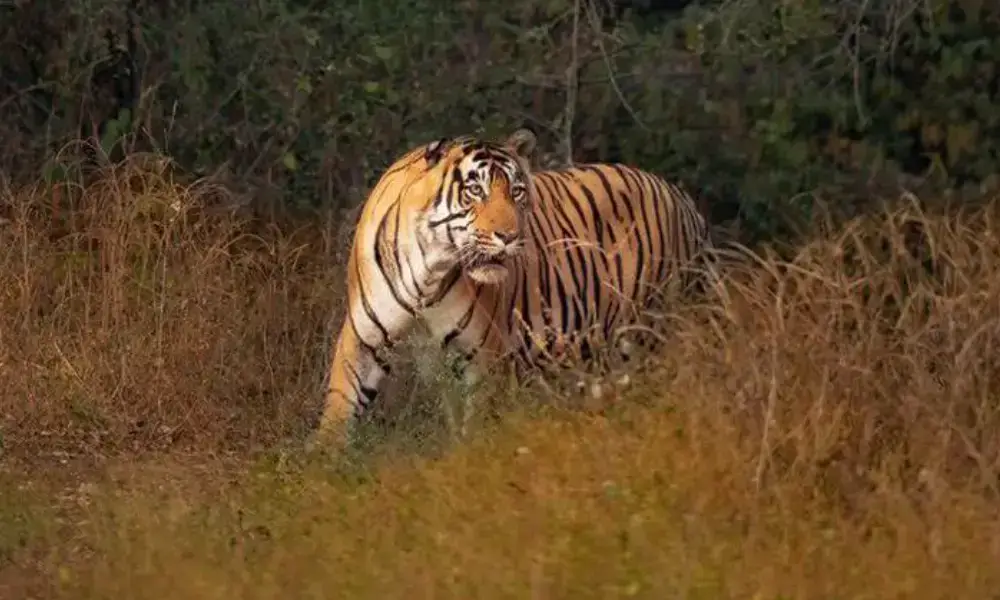
Nestled in the Alwar district, this sprawling 881-square-kilometer kingdom is a rugged ecosystem of dry forests and rocky cliffs, sheltering the magnificent Royal Bengal Tiger. Sariska offers a unique blend of thrilling wildlife and ancient history, all just a few hours from Delhi and Jaipur.

The Tiger Census Report of 2022 reveals that the total tiger population in Sariska National Park was 19, but it is now estimated to have increased to around 50 in the Sariska Tiger Reserve.

Discover everything about Sariska tourism and book thrilling wildlife safaris with www.SariskaNationalPark.Online - your ultimate guide to the wild!

Sariska National Park

History of Sariska Tiger Reserve

Sariska National Park

Sariska's history is as captivating as its wildlife. This land, once believed to be a refuge for the Pandavas (Pandupol is said to be a remnant of their time). Later, it became the royal hunting ground for Rajasthan's royalty.

  • 1958 : Declared a wildlife sanctuary to protect its diverse flora and fauna.
  • 1978 : It officially became "Sariska Tiger Reserve" under India’s ambitious Project Tiger.
  • 2005 : The park faced a dark time, losing its entire tiger population to poaching.
  • 2006 : A groundbreaking relocation program began, bringing tigers back from Ranthambore.
  • At present : The tiger population has revived, and currently the recorded number of the big cats is between 40 and 50.
Wildlife in Sariska: What You'll See
Wildlife in Sariska

While the tiger is the star, Sariska is a complete ecosystem. On your safari, keep your eyes peeled for this incredible diversity.
The Top Predators

The main attraction of Sariska is, of course, the Royal Bengal Tiger. But the national park is also a fantastic place to spot the elusive Indian leopard, which thrives in the park's rocky terrain. Smaller carnivores like the striped hyena, golden jackal, desert cat, and the rare caracal also call these forests home.

The Grazing Herds

You're guaranteed to see large populations of herbivores, including Sambhar Deer (Asia's largest deer), Spotted Deer (Chital), Nilgai (Blue Bull), the largest antelope in Asia, Wild Boar, and the rare Four-Horned Antelope.

A Birder's Paradise

With over 200 species, Sariska is a dream for birdwatchers. Look for the vibrant Indian peafowl (our national bird), the regal crested serpent eagle, and the painted spurfowl, among many others.

Other Animals

Sariska is also home to pythons, monitor lizards, and freshwater crocodiles (especially around Siliserh Lake).

Wildlife in Sariska
Sariska's Rich Flora

The park's rugged beauty comes from its unique flora, dominated by dry deciduous forests

  • Dominant Tree : The Dhok (Anogeissus pendula) covers over 75% of the area, providing essential food and shelter.
  • Other Tree : You'll also find Khair, Ber, and Tendu.
  • Valley Areas : In the valleys, trees like Jamun and Arjun thrive.
Sariska Safari Zones: Which Zone is Best?
Safari Zones in Sariska National Park

The park is divided into four zones, accessed by two main gates, to manage tourism and provide better safari experiences.

Sariska Gate (Main Entry) :

This is the most popular gate, providing access to:

  • Zone 1: Highly favored for its good track record of wildlife sightings, including tigers and leopards.
  • Zone 2: Often less frequented, but many guides have reported high chances of sightings here, making it a "hidden gem."
  • Zone 3: Another popular zone with good sighting opportunities.
Tehla Gate:
  • Zone 4: A much quieter zone. While wildlife sightings are reported as less frequent, it offers a more secluded wilderness experience.
Safari Zones in Sariska Tiger Reserve
Sariska Tiger Reserve
Safari Types in Sariska Tiger Reserve
Sariska Tiger Reserve

Sariska National Park offers two ways to explore the park. Choosing the right one depends on your group and budget.

Jeep Safari (6-Seater)

This is the classic safari experience. The open 6-seater Gypsy is agile and personal and can navigate narrow trails.

  • Best for : Small groups, families, and serious photographers.
  • Pros : Better wildlife experience, can get closer (respectfully), and can go where the canter can't.
Canter Safari (20-Seater)

This is a larger, open-back bus designed for bigger groups

  • Best for : Large groups and budget-conscious travelers.
  • Pros : More economical, a comfortable ride, and a higher seating position.

Sariska National Park Safari Timings

Timings change seasonally to maximize comfort and sighting chances. Here’s a general guide:

Months Timing
1 October to 31 October (Morning Safari) 6.30 to 10.00 AM
1 November to 31 January (Morning Safari) 7.00 to 10.30 AM
1 February to 31 March (Morning Safari) 6.30 to 10.00 AM
1 April to 15 May (Morning Safari) 6.00 to 9.30 AM
16 May to 30 June (Morning Safari) 6.00 to 9.30 AM
Months Timing
1 October to 31 October (Evening Safari) 2.30 to 6.00 PM
1 November to 31 January (Evening Safari) 2.00 to 05.30 PM
1 February to 31 March (Evening Safari) 2.30 to 6.00 PM
1 April to 15 May (Evening Safari) 3.00 to 6.30 AM
16 May to 30 June (Evening Safari) 3.30 to 7.00 PM

Sariska National Park Tour Packages

Sariska National Park Weekend Tour
Duration : 02N / 03D Price : $100.00 View This Tour

Sariska National Park Weekend Tour

Overnight Sariska Wildlife Tour
Duration : 01N / 02D Price : $250.00 View This Tour

Overnight Sariska Wildlife Tour

Wildlife Adventure around Jaipur
Duration : 06N / 07D Price : $250.00 View This Tour

Wildlife Adventure around Jaipur

Best of Rajasthan Wildlife
Duration : 08N / 09D Price : $250.00 View This Tour

Best of Rajasthan Wildlife

Sariska National Park Weekend Tour
Duration : 02N / 03D

Sariska National Park Weekend Tour

Price : $100.00 View This Tour
Overnight Sariska Wildlife Tour
Duration : 01N / 02D

Overnight Sariska Wildlife Tour

Price : $250.00 View This Tour
Wildlife Adventure around Jaipur
Duration : 06N / 07

Wildlife Adventure around Jaipur

Price : $250.00 View This Tour
Best of Rajasthan Wildlife
Duration : 08N / 09

Best of Rajasthan Wildlife

Price : $250.00 View This Tour

Best Time to Visit Sariska Tiger Reserve

Choosing when to go is as important as where. The best time to visit Sariska National Park is from October to March. Here’s an easy season-wise breakup for you.

Season Months Weather Wildlife Sighting
Winter (Ideal) Oct–Mar Cool & Pleasant (8°C to 25°C) 41 This is the best time to visit Sariska. Animals are active, migratory birds arrive, and the post-monsoon greenery is beautiful.
Summer Apr–Jun Very Hot (up to 48°C) 43 This is also a good season to visit as animals gather at waterholes, dramatically increasing sighting chances. Though the heat can be unbearable.
Monsoon Jul–Sep Rainy The park’s buffer zones of Siliserh, Bala Quila, and the Dadikar forest are open. The forest rejuvenates during this time.

How to Reach Sariska National Park?

Getting to Sariska is easy, since it enjoys good connectivity with North India's major cities and towns.

By Air

The nearest airport is Jaipur International Airport (JAI), about 110-133 km away. From there, you can hire a taxi (a 2-3 hour drive).

By Road

Sariska is well-connected by road. It's an easy drive from Jaipur (approx. 2.5 hours) and Delhi (approx. 4-5 hours).

By Train

The closest major railway station is Alwar Junction (AWR), just 36-37 km from the park. Alwar is well-connected to Delhi, Jaipur, and Mumbai.

Top Hotels & Resorts in Sariska

Top Attractions Near Sariska Tiger Reserve

kamleshwar-dam image
Bhangarh Fort

Famously known as India's "most haunted" fort, this 17th-century ruin is an atmospheric must-visit.

somnath-temple image
Kankwari Fort

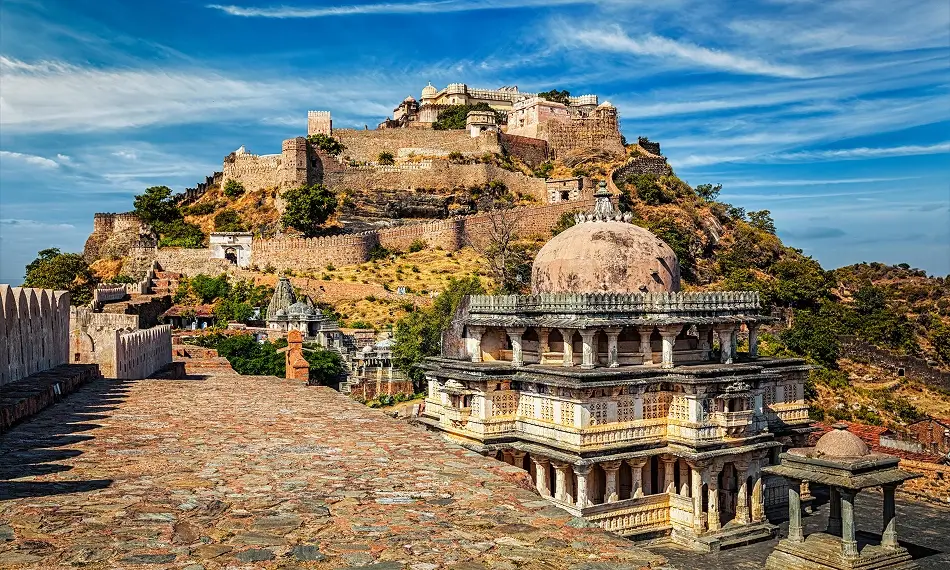
A historic fort inside Sariska, it offers breathtaking panoramic views of the park. (This is where Aurangzeb imprisoned his brother Dara Shikoh).

somnath-beach image
Siliserh Lake

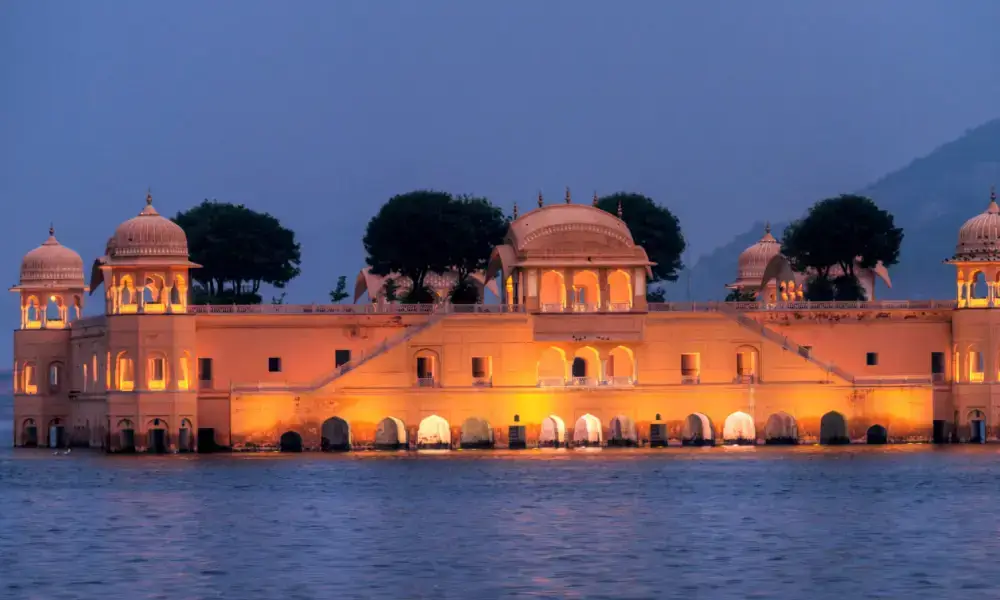
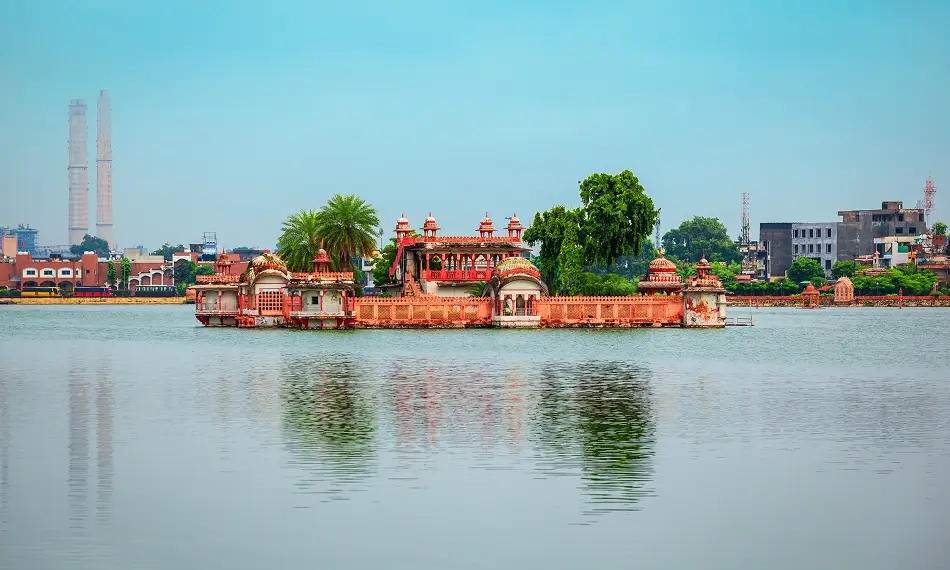
A beautiful, serene lake with a stunning lake palace. A great spot for a quiet evening.

bhalka-tirth image
Pandupol Hanuman Temple

A temple steeped in mythology and located within the reserve.

bhalka-tirth image
Alwar City

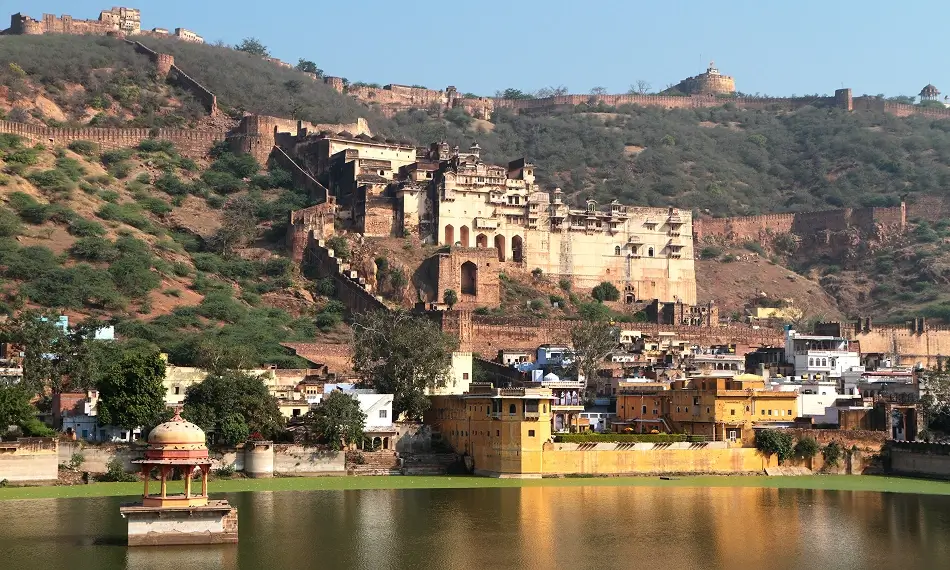
Explore the city's Bala Quila Fort, City Palace, and local markets.

Other Wildlife Destinations to Visit in Rajasthan

Following are some of the popular national parks, wildlife sanctuaries, and biosphere reserves that can be visited along with the Sariska National Park wildlife safari tour.

Jhalana Leopard Park, Jaipur

Nestled in the Aravalli range, Jhalana in Jaipur is India’s first leopard reserve. It covers roughly 23 sq. km and stands out as a top wildlife destination in Rajasthan. Established for leopard conservation in 2017, this wildlife hotspot now shelters approximately 40 adult leopards, along with multiple cubs, offering a rare window to sight these magnificent cats. A 2.5-hour jeep safari in this dry-deciduous forest of Jhalana offers a thrilling experience and is perfect for those looking for short wildlife holidays in Rajasthan. In addition to the leopards, the park is home to striped hyenas, desert foxes, blue bulls, and over 150 bird species.

Sajjangarh Biological Park, Udaipur

At a short distance away from the Sajjangarh Wildlife Sanctuary, Sajjangarh Biological Park is a contemporary zoological park that represents Udaipur's commitment to conservation & ecotourism. This purpose-built park is spread across 36 hectares of land and is home to over 60 animals across 21 species, including white tigers, leopards, sloth bears, lions, striped hyenas, and various bird species. Its forested landscape, clean trails, and electric vehicle safaris make this wildlife destination in Rajasthan one of the best. Established in 2015, the park has been a center for education and awareness as part of a broader wildlife tourism initiative in Rajasthan.

Keoladeo National Park, Bharatpur

Keoladeo National Park, a UNESCO World Heritage Site since 1985, transforms Bharatpur's 29-square-kilometer wetland into Asia's premier bird sanctuary. Originally a royal duck-hunting reserve, it was declared a national park in 1982 following conservation efforts by Dr. Salim Ali. The park hosts over 370 bird species, including winter migrants like bar-headed geese, pintails, and the critically endangered Siberian crane. Beyond birds, Keoladeo shelters nilgai, jackals, wild boar, crocodiles, and seven turtle species. Its diverse ecosystem, encompassing grasslands, woodlands, and marshes, creates a thriving habitat.

Mount Abu Wildlife Sanctuary

Situated in the Aravalli Range with an area of around 300 sq km, Mount Abu Wildlife Sanctuary is a subtropical forest in Rajasthan. Rising from 300 m to its highest point of 1722 m, the sanctuary’s change in altitude leads to a succession of habitats ranging from subtropical thorn scrub to evergreen forests. It shelters over 820 species of 112 plant families. One has a chance to occasionally spot leopards and sloth bears and frequently sight sambar deer and chinkara. Other animals that can be spotted here include the Indian fox, pangolin and striped hyena. There are over 250 varieties of birds, including the grey junglefowl and green avadavat, that can be sighted here.

Bird Park Gulab Bagh, Udaipur

The sixth oldest zoo in India, Bird Park in Udaipur was initially an integral part of the Sajjan Niwas Garden, also known as Gulab Bagh Zoo. It was established initially in 1878; later, in the year 2016, the Rajasthan Forest Department undertook the task of converting the old zoo premises into a bird park. The total area of 5.11 hectares of Gulab Bagh Zoo was shaped into a bird park with a goal of building 12 enclosures that will house significant numbers of both native and migratory bird species. Blue-and-yellow Macaw, Sulphur-crested Cockatoo, Green Avadavat (Munia), and Rose-ringed Parakeet are among some of the bird species one can see in the Bird Park.

Bird Park, Jaipur
Bird Park, Jaipur

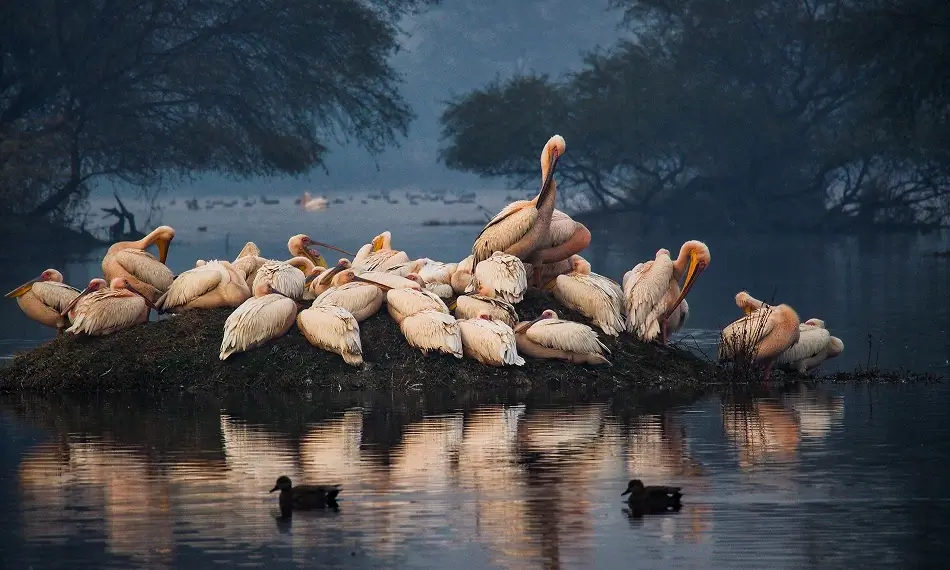
Founded over 122 years ago, Bird Park in Jaipur is among the oldest zoos in India. It once stretched from Ajmeri Gate to Sanganer Gate, Moti Dungri Road and Medical College. Now it occupies 5.23 hectares across two compact sections and functions under the recognition of the Central Zoo Authority. Though the majority of the fauna from here has been relocated to Nahargarh Biological Park, the site houses a number of bird species, including flamingos, pelicans, parakeets, emus, storks, vultures and peacocks, along with reptiles such as crocodiles, gharials, tortoises, and pythons.

Sajjangarh Wildlife Sanctuary, Udaipur

A former royal hunting ground converted into a conservation area, Sajjangarh Wildlife Sanctuary is unique amongst the wildlife sanctuaries in Rajasthan. The sanctuary is situated atop Bansdara Hill and offers gorgeous views of the lakes of Udaipur, as well as the Aravalli ranges. Spread over an area of 5.19 sq km, surrounded by the historical wall of the Kishan Pol, the park is home to panthers, hyenas, jackals, varied species of deer, and over 275 plant species, including the endangered and rare Gugal. What makes it more attractive as a tourist destination in Rajasthan is the close proximity to the magnificent Sajjangarh Palace, also known as Monsoon Palace.

Nahargarh Biological Park, Jaipur

Nahargarh Biological Park, spread across 720 hectares within the larger Nahargarh Sanctuary, is one of Jaipur’s best wildlife getaways. Home to 285+ bird species, including the rare white-naped tit, the park also features spacious enclosures housing Asiatic lions, panthers, and Bengal tigers. The scenic Ram Sagar zone is a favorite among birdwatchers; it offers great views and dedicated observation posts. Travelers can even stay within the park at Ganga Vilas, Gopal Vilas, or Lalit Vilas, the heritage lodges once used by the maharajas during hunting expeditions, now restored as comfortable forest retreats.

Bansiyal Khetri
Bansiyal Khetri

Khetri Bansiyal Conservation Reserve, located in Neem ka Thana in Jhunjhunu district, is a 7,018.34-hectare protected area. It was declared a conservation reserve in 2017 under the Wildlife Protection Act, 1972. The reserve’s rugged hills, seasonal nallahs and dry-deciduous habitat support rich herbal flora such as dhok, salar, chural and khair. Wildlife sightings are rewarding here as visitors may encounter blue bulls, Indian foxes, striped hyenas, sambar, wild boars, sloth bears, rhesus macaques and langurs as they move through the reserve’s diverse terrain.

Ramgarh Vishdhari Tiger Reserve

Ramgarh Vishdhari Tiger Reserve, Rajasthan’s fourth tiger reserve, spans 1,501.89 sq. km across Bundi, Kota and Bhilwara districts. The scenic Mez River, a tributary of the Chambal, flows through its hilly stretches and dry deciduous forests. The reserve supports a rich ecosystem of predators, herbivores and 150+ bird species and serves as an important ecological corridor connecting Ranthambore in the northeast with Mukundara Hills in the south, ensuring safe tiger movement and long-term genetic diversity. Key tree species include dhok, khair, amaltas, jamun, tendu, arjun and salar, while tigers, leopards, sloth bears, civets, chital, sambar, nilgai and langurs thrive here.

Ranthambore National Park

An impressive population of over 70 tigers makes Ranthambore one of the few places in the world where one can easily sight Bengal tigers. This national park is the most popular wildlife destination in Rajasthan and was first established as Sawai Madhopur Game Sanctuary in 1955 and then included in the Project Tiger reserve in 1973. At present, the park houses over 40 species of mammals, including tigers, leopards, sloth bears, and hyenas; almost the same number of reptile species; and hundreds of bird species within a landscape dominated by a 10th-century fortress.

Other Top Sightseeing Destinations to Visit
with a Sariska Wildlife Safari Tour in Rajasthan

Jaipur
Jaipur

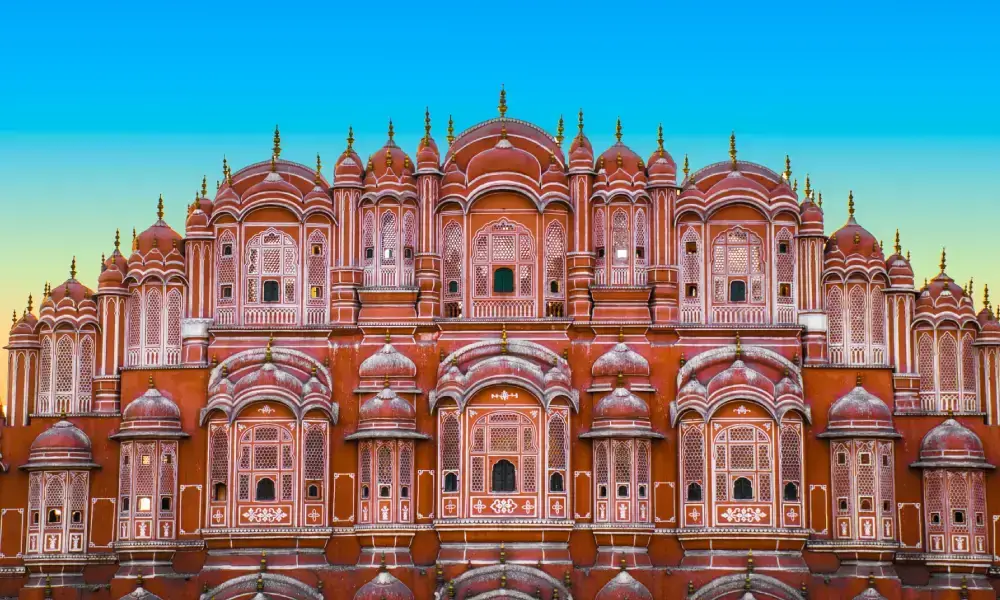
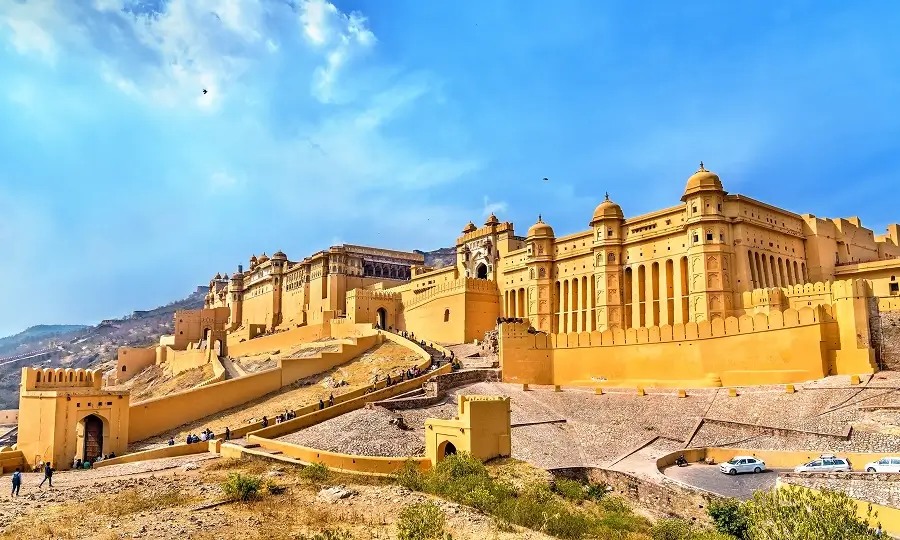
The "Pink City," Jaipur, is a UNESCO-recognized site for its rich architectural and cultural heritage. Established in 1727 by Maharaja Sawai Jai Singh II, the city's layout was instilled with the principles of Vastu Shastra; hence, it is considered the first planned city of India. Jaipur sits in the Aravalli Hills and is flanked by the imposing Amer Fort, Jaigarh Fort, and Nahargarh Fort. The city has many architecturally brilliant monuments like the City Palace, Hawa Mahal Jal Mahal, and Jantar Mantar. As a premier tourist destination, Jaipur brings together vibrant bazaars, crafts, and rich traditions, making it one of the most memorable stops on any Rajasthan sightseeing trip.

Udaipur
Udaipur

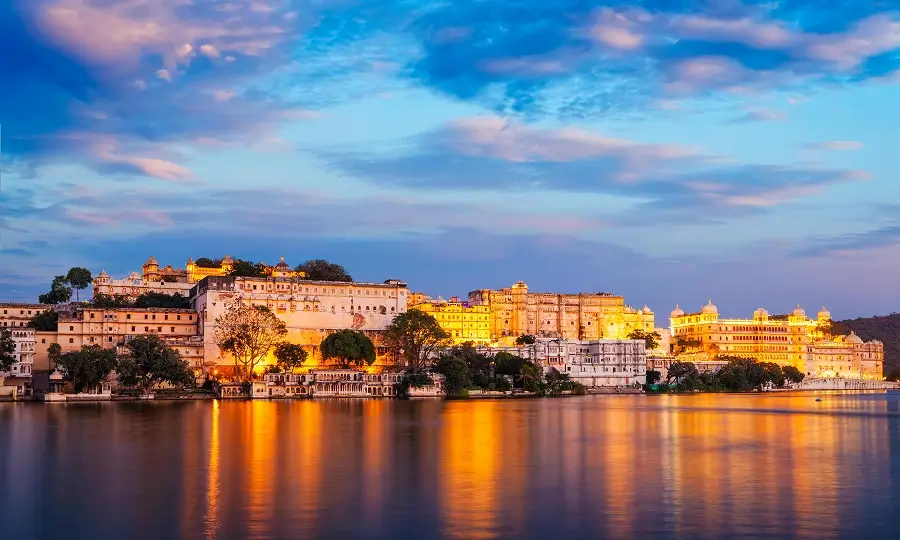
Udaipur, set against shimmering blue lakes and ringed by the Aravalli hills, remains one of Rajasthan’s most enchanting destinations. This is a city where romance meets royalty at every turn. While its serene lakes form the heart of Udaipur, the ornate havelis and the majestic City Palace, the largest palace complex in Rajasthan, draw visitors from across the world. From peaceful boat rides on shimmering lakes to vibrant cultural evenings at Bagore ki Haveli and indulgent feasts of traditional Mewari cuisine, Udaipur offers experiences you simply cannot miss.

Jaisalmer
Jaisalmer

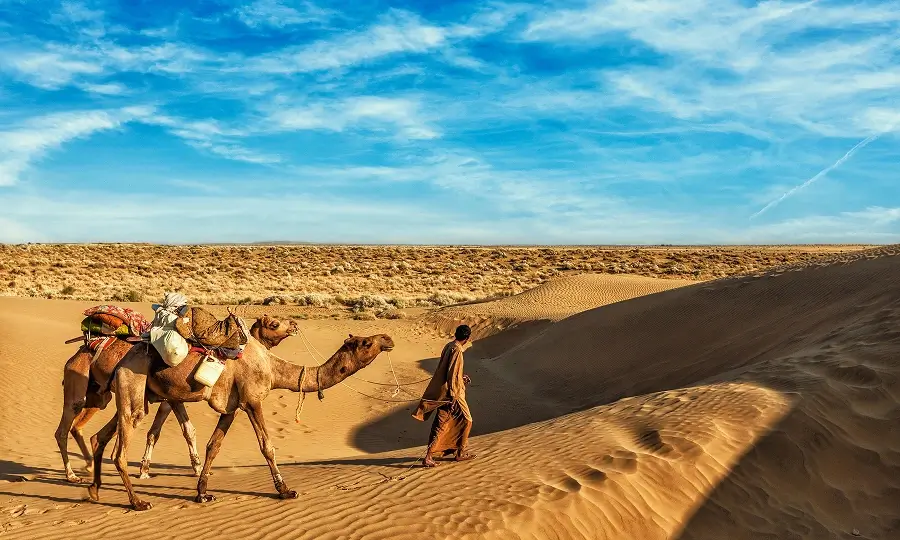
Jaisalmer, the famed ‘Golden City,’ rises dramatically from the heart of the Thar Desert. Founded in 1156 CE by Rawal Jaisal, it stands today as one of Rajasthan’s most popular tourist destinations. Its crown jewel, Sonar Quila, the Golden Fort, is one of the world’s few living forts, home to nearly 3,000 residents and honored by UNESCO. Crafted from honey-gold sandstone, it changes its color from soft yellow to deep gold as the light changes. Jaisalmer also enchants with the tranquil Gadisar Lake and unforgettable desert adventures, including camel safaris, cultural evenings, and camping beneath starry desert skies.

Jodhpur
Jodhpur

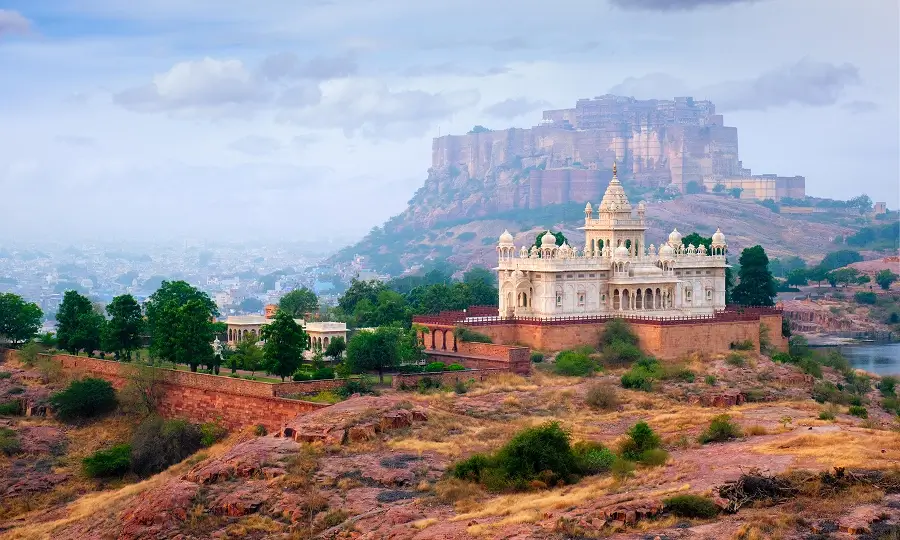
The “Blue City,” Jodhpur, founded in 1459 by Rao Jodha, offers a glimpse into the grandeur of Rajasthan’s royal past. Its charm unfolds through blue-painted alleys, ancient stepwells, and elegant palaces and temples. Mehrangarh Fort, one of India’s most spectacular citadels, dominates the skyline with its expansive courtyards, detailed carvings, and a museum that tells the story of Marwar. Below it, the serene Jaswant Thada and the iconic Umaid Bhawan Palace add further layers to the city’s regal character. With vibrant bazaars, rich traditions, striking landscapes, and mouthwatering food, Jodhpur remains a must-visit on any Rajasthan itinerary.

Ajmer
Ajmer

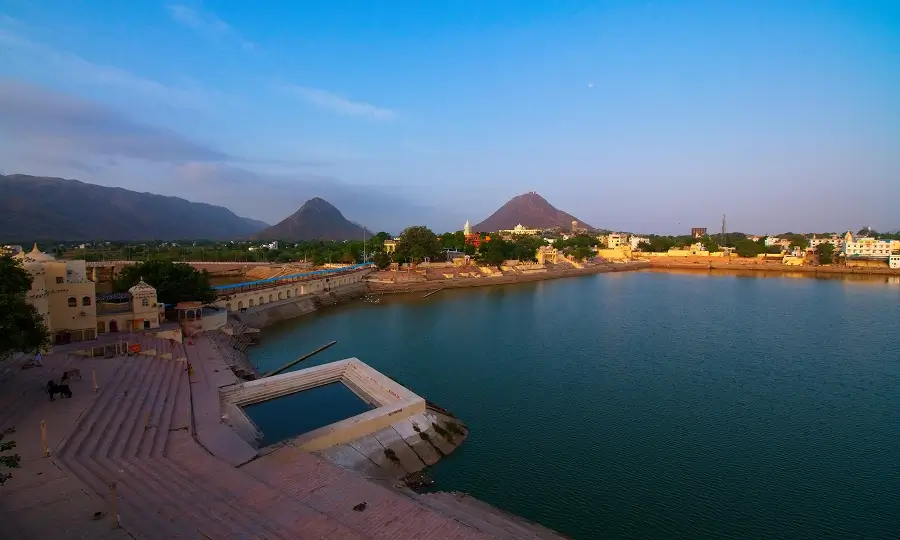
Ajmer is one of Rajasthan’s key spiritual and heritage centers. Its most iconic landmark, the Ajmer Sharif Dargah of Sufi saint Khwaja Moin-ud-din Chishti, welcomes people of all faiths and radiates an atmosphere of unity and devotion. The city also charms visitors with the serene Ana Sagar Lake and the historic Taragarh Fort, known for panoramic views and tales of the region’s royal past. Ajmer holds significance in Jain culture with its beautiful Golden Jain Temple. It is also a noted educational hub, home to the prestigious Mayo College, an architectural gem and a popular attraction in the city.

Bikaner
Bikaner

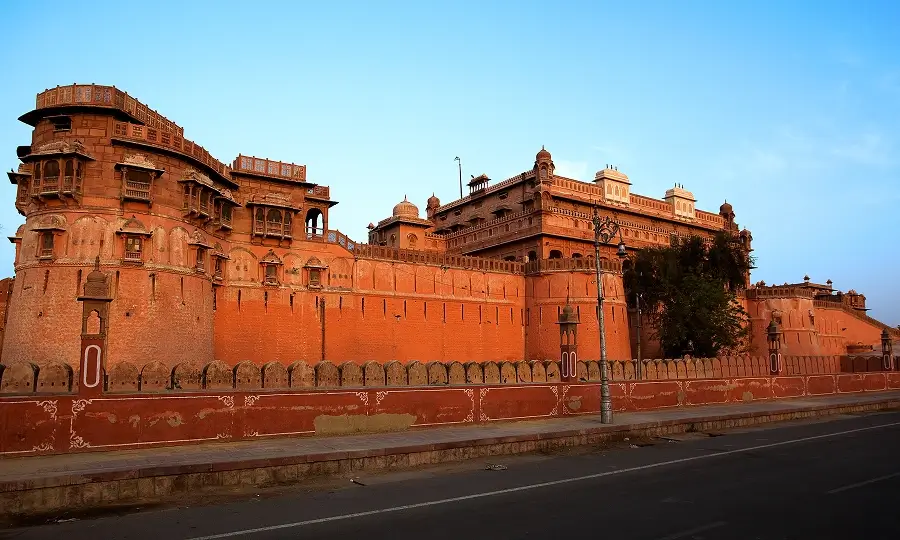
In the heart of the Thar Desert rises Bikaner, a city where grand forts and ancient traditions narrate the vision of Rao Bikaji, who transformed barren sands into a thriving kingdom. Majestic havelis, vibrant markets, and timeless desert culture define its charm. The city’s pride, Junagarh Fort, sprawls across 5.28 hectares and stands as one of Rajasthan’s most impressive, unconquered fortresses. Renowned for its quality of camels, Bikaner is often called the Camel Country. It also offers unique experiences, from the fascinating Karni Mata Temple in Deshnok, home to thousands of revered rats, to the lively Bikaner Camel Festival held every January.

Bharatpur
Bharatpur

Best known for the world-famous Keoladeo National Park, Bharatpur is a historic city whose roots trace back to the Mahabharata era. Once the thriving kingdom of the Matsya dynasty, loyal allies of the Pandavas, it is also believed to be named after Bharat, the younger brother of Lord Rama. Today, Bharatpur enjoys global recognition as one of the finest birdwatching destinations in the world. The 29 sq. km Keoladeo National Park is home to over 370 bird species and, in winter, transforms into a vibrant haven for migratory birds from the north, an unforgettable spectacle for nature lovers.

Alwar
Alwar

Alwar is best known for the famed Sariska Tiger Reserve, a vast 800 sq. km expanse of mountains, grasslands, and dry deciduous forests. Counted among Rajasthan’s oldest cities, it traces its roots to ancient Viratnagar, which thrived around 1500 BC. The imposing Bala Quila, built around 1200 CE, crowns a hilltop and offers sweeping views of the city and the Aravalli range. Alwar also features a 12th-century Shiva temple, the picturesque 7-km-long Siliserh Lake (built in 1845), and the mythical Pandupol, linked to the Pandavas’ exile. With serene lakes, regal architecture, forested landscapes, and rich folklore, Alwar remains a true traveler’s delight.

Bundi
Bundi

Bundi is a charming town known for its stepwells, majestic Taragarh Fort, and exquisite murals that showcase its artistic legacy. Once encircled by dense forests and beautiful lakes, the region has witnessed human habitation for thousands of years, evident in the many ancient rock paintings scattered across the landscape. Adding to its cultural appeal is a purpose-built museum within the Sukh Mahal complex on the banks of Jait Sagar Lake, opened in 2016, which offers deeper insight into Bundi’s history and heritage. The town is tiny and can be explored on foot.

Chittorgarh
Chittorgarh

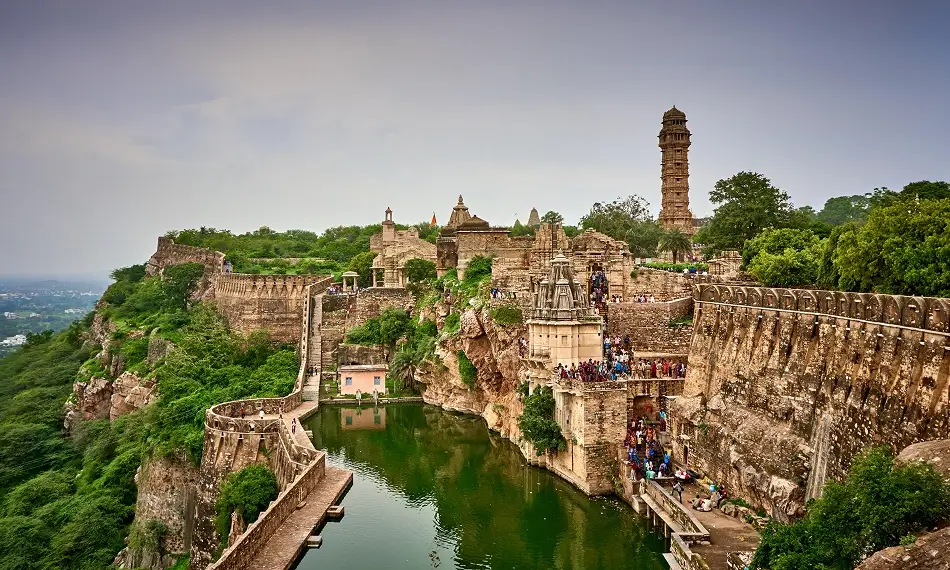
Chittorgarh is best known for the famed Sariska Tiger Reserve, a vast 800 sq. km expanse of mountains, grasslands, and dry deciduous forests. Counted among Rajasthan’s oldest cities, it traces its roots to ancient Viratnagar, which thrived around 1500 BC. The imposing Bala Quila, built around 1200 CE, crowns a hilltop and offers sweeping views of the city and the Aravalli range. Alwar also features a 12th-century Shiva temple, the picturesque 7-km-long Siliserh Lake (built in 1845), and the mythical Pandupol, linked to the Pandavas’ exile. With serene lakes, regal architecture, forested landscapes, and rich folklore, Alwar remains a true traveler’s delight.

Kota
Kota

Kota is a charming town known for its stepwells, majestic Taragarh Fort, and exquisite murals that showcase its artistic legacy. Once encircled by dense forests and beautiful lakes, the region has witnessed human habitation for thousands of years, evident in the many ancient rock paintings scattered across the landscape. Adding to its cultural appeal is a purpose-built museum within the Sukh Mahal complex on the banks of Jait Sagar Lake, opened in 2016, which offers deeper insight into Bundi’s history and heritage. The town is tiny and can be explored on foot.

Sawai Madhopur
Sawai Madhopur

Sawai Madhopur is best known for the famed Sariska Tiger Reserve, a vast 800 sq. km expanse of mountains, grasslands, and dry deciduous forests. Counted among Rajasthan’s oldest cities, it traces its roots to ancient Viratnagar, which thrived around 1500 BC. The imposing Bala Quila, built around 1200 CE, crowns a hilltop and offers sweeping views of the city and the Aravalli range. Alwar also features a 12th-century Shiva temple, the picturesque 7-km-long Siliserh Lake (built in 1845), and the mythical Pandupol, linked to the Pandavas’ exile. With serene lakes, regal architecture, forested landscapes, and rich folklore, Alwar remains a true traveler’s delight.

Rajsamand
Rajsamand

Rajsamand is a charming town known for its stepwells, majestic Taragarh Fort, and exquisite murals that showcase its artistic legacy. Once encircled by dense forests and beautiful lakes, the region has witnessed human habitation for thousands of years, evident in the many ancient rock paintings scattered across the landscape. Adding to its cultural appeal is a purpose-built museum within the Sukh Mahal complex on the banks of Jait Sagar Lake, opened in 2016, which offers deeper insight into Bundi’s history and heritage. The town is tiny and can be explored on foot.

Conservation Efforts: Sariska's Fight for Survival

Sariska's story is one of the most dramatic in Indian conservation, a story of loss, determination, and a remarkable comeback. The park faced its darkest chapter in 2005 when it was declared that poaching had wiped out its entire tiger population. This tragic event became a turning point, sparking one of the most ambitious revival projects in the history of India.

Key conservation efforts include:
  • The Tiger Reintroduction Program : In 2008, in a pioneering move for India, tigers were successfully relocated from Ranthambore to Sariska. This program formed the foundation of the new, resilient population you see today.
  • Intensive Monitoring & Anti-Poaching : The reserve now has a robust, 24/7 monitoring system. Forest guards conduct tireless patrols, and a network of camera traps helps track the tigers' health, movement, and numbers, providing crucial data for their protection.
  • Habitat Management : Significant efforts go into managing Sariska's habitat. This includes creating and maintaining waterholes (crucial in the dry summer) and managing grasslands to support a healthy prey base for the tigers.
  • Community Involvement : Sariska's long-term success depends on the people who live on its borders. The Forest Department works with local communities to reduce human-wildlife conflict, provide alternative livelihoods, and foster a sense of shared ownership in protecting the park's heritage.
Best Hotels & Resorts to Stay Near Sariska National Park

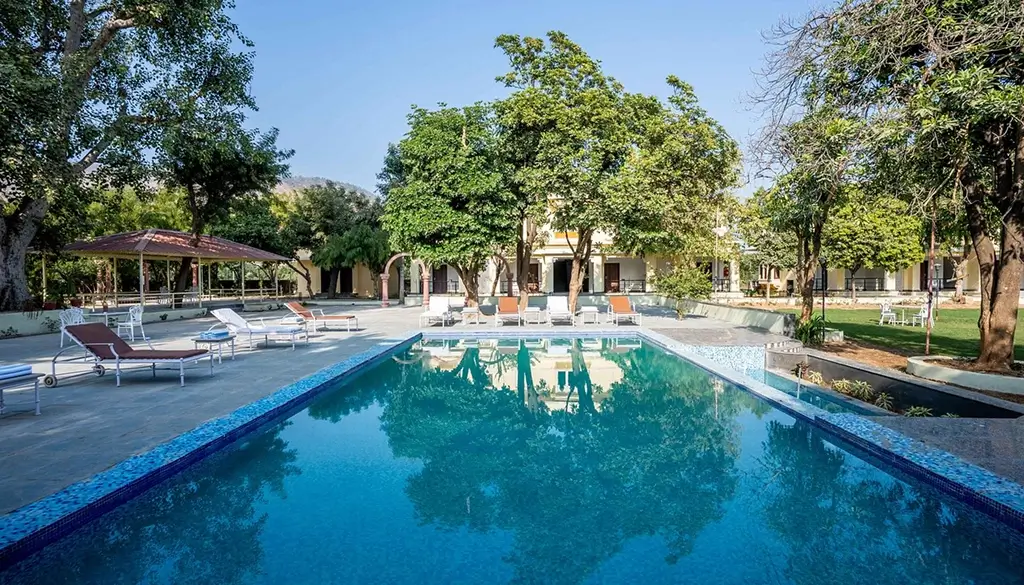
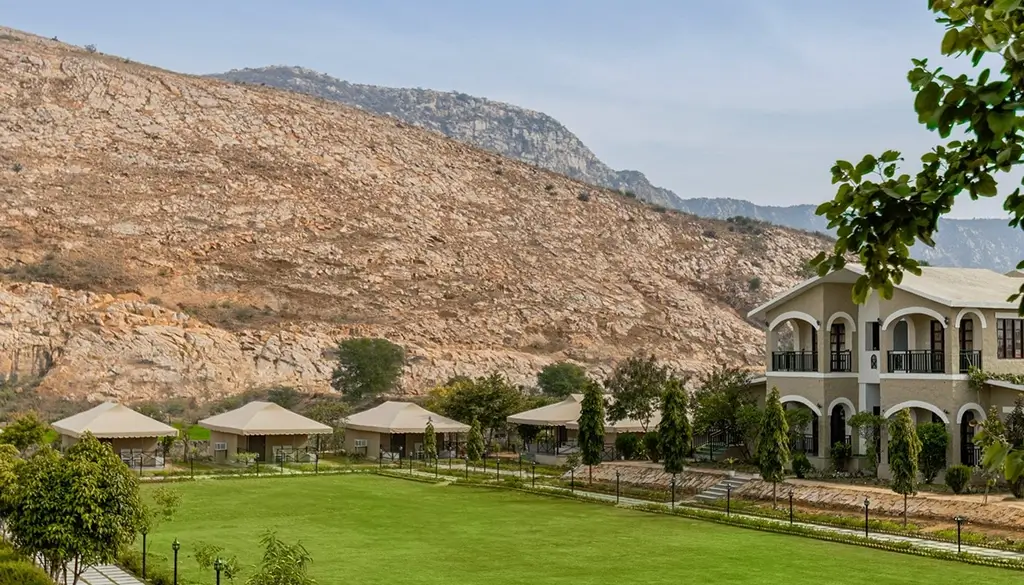
From luxury jungle retreats to rustic forest rest houses, Sariska has accommodation for every style and budget.

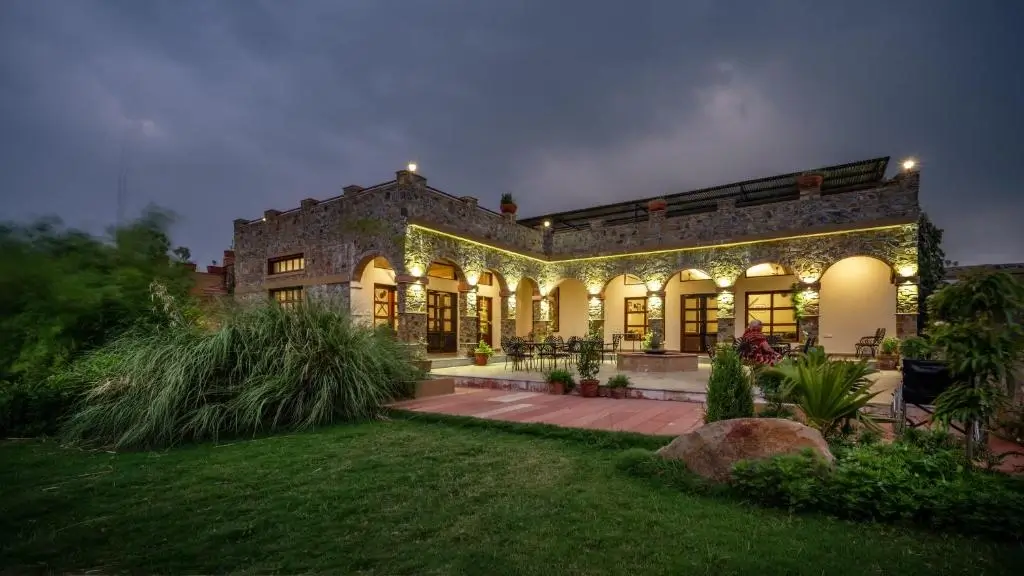
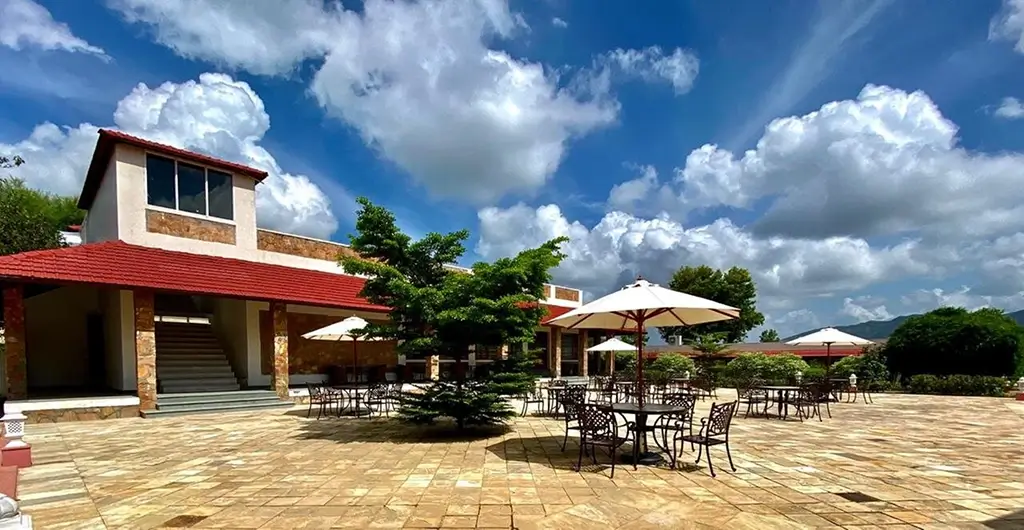
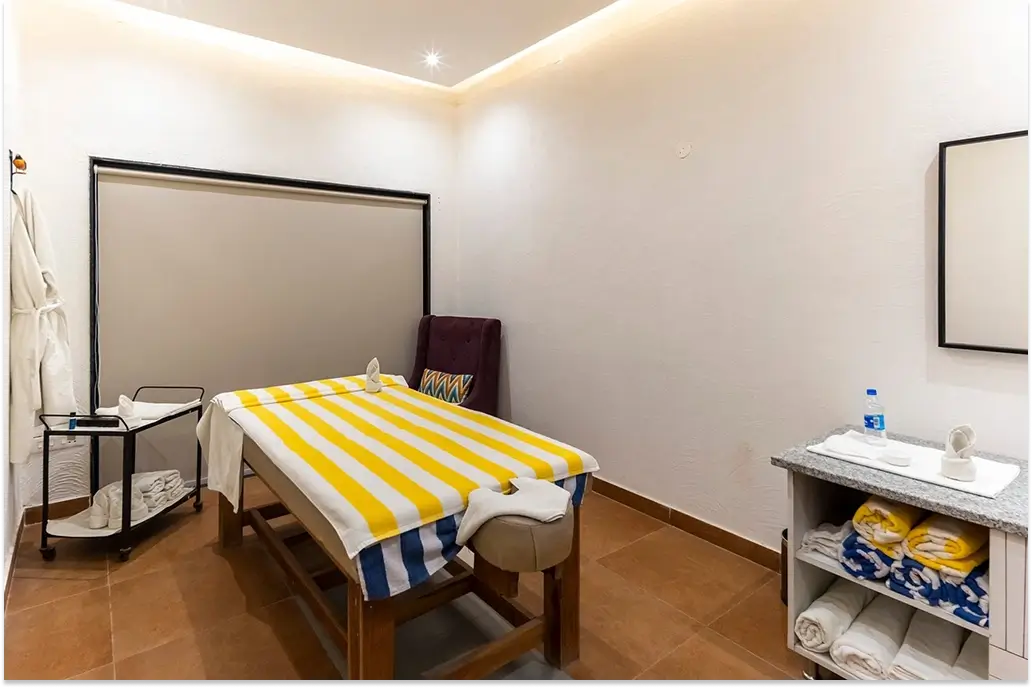
  • Luxury Resorts : For those who want to blend wildlife with pampering, you'll find properties with pools, spas, and fine dining.
  • Jungle Camps & Cottages : Get an adventurous, immersive feel with tented accommodations or private cottages, often including bonfires and nature walks.
  • Forest Rest Houses : Managed by the Forest Department, these offer a basic, rustic, and authentic experience inside or in close proximity to the park.
  • Budget Guesthouses & Homestays : Located in nearby villages, these offer a taste of local hospitality and culture.
Sariska National Park Tour Packages Booking

We take the guesswork out of planning. Our Sariska packages handle everything from your safaris and permits to your hotel and transfers. Some of the most popular tours include Sariska weekend getaways and the Sariska-Jaipur-Ranthambore tour packages. We also have personalized Sariska tour packages with customization for photography, birdwatching, honeymoon trips, or educational tours. These tours provide hassle-free, immersive nature experiences with expert guides and planned itineraries for a memorable visit.

Expert Tips for Your Sariska Wildlife Safari Trip
  • Book EVERYTHING in Advance : Safaris and good hotels sell out fast, especially from October to March.
  • Mornings are Magic : Early morning safaris are almost always your best bet for spotting tigers and leopards.
  • Pack Smart : Bring light woolens for chilly mornings/evenings (even in summer!), sunscreen, a hat, and binoculars.
  • Be Patient : Sariska isn't a zoo. A sighting here feels earned and is incredibly rewarding. Trust your guide.
  • Stay Hydrated : Carry water on your safari, especially in the warmer months.
Ready to Experience the Wild Heart of Rajasthan?

Sariska is a story of survival, royalty, and raw natural beauty. Let our team of Rajasthan experts craft your perfect itinerary. We'll handle the safaris, stays, and transfers; all you have to do is pack your binoculars and a sense of adventure.

Call us at +91-9212553175 or browse our Sariska Tour Packages to start planning today!

Frequently Asked Questions

Sariska is famous for its population of Royal Bengal Tigers, diverse wildlife (including leopards and sloth bears), and its scenic Aravalli Hills landscape.

Sariska is located in the Alwar district of Rajasthan. It is at a short distance away from both Delhi and Jaipur, making it an easily accessible destination for wildlife safaris.

Sariska was declared a Tiger Reserve in 1978 as part of Project Tiger.

Sariska is unique for its rugged, rocky terrain, dry forests, and the deep integration of history, with ancient forts and temples located inside the reserve.

The best time to visit is from October to March, when the weather is pleasant and wildlife sightings are optimal.

You can see Bengal tigers, leopards, sloth bears, striped hyenas, sambhar deer, nilgai, four-horned antelope, and over 200 bird species like peafowl and eagles.

As of 2025, the population has shown a significant recovery, with estimates around 40 to 50 tigers.

Safaris run twice a day. Morning safaris are generally from 6:30 AM to 10:30 AM, and evening safaris are from 2:00 PM to 6:00 PM, with slight changes depending on the season.

You can choose between a 6-seater jeep safari (better for small groups) and a 20-seater canter safari (better for large groups).

There are four safari zones, accessed via two gates: Sariska Gate (Zones 1, 2, and 3) and Tehla Gate (Zone 4).

Yes, there is a wide range of options, from luxury resorts and jungle camps to budget guesthouses and forest rest houses.

While most resorts are just outside the park, some Forest Rest Houses (managed by the Forest Department) are located within the park boundaries, offering a rustic stay.

Top attractions near Sariska include the "haunted" Bhangarh Fort, Kankwari Fort, Siliserh Lake, and the Pandupol Hanuman Temple.

The best activities are jeep/canter safaris, visiting the historic forts, birdwatching, and exploring Alwar city.

The nearest railway station is Alwar Junction (approx. 36 km away). The nearest airport is Jaipur International Airport (approx. 110-133 km away).

Sariska National Park Gallery